
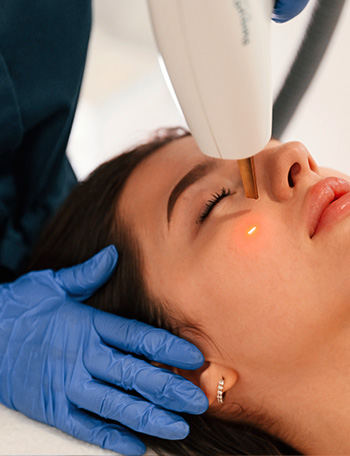
Many patients visiting dermatology clinics express frustration when their acne proves resistant to conventional treatments like topical medications, oral antibiotics, and standard cosmetic procedures. The 1450nm diode laser diodes has emerged as an innovative solution, offering hope to those battling persistent acne conditions that haven't responded to traditional therapies.
The 1450nm laser diodes represents a significant advancement in acne treatment technology. This specialized wavelength was specifically chosen for its unique ability to target sebaceous glands effectively. What sets this laser apart is its comprehensive approach to treating these glands. Unlike traditional treatments that only affect the gland's external aspects, this laser penetrates both the internal and external structures of the sebaceous gland, providing a complete treatment approach that addresses both the gland's anatomy and function.
The treatment process follows a structured approach that begins with a detailed skin evaluation and medical history review. Treatment sessions are typically spaced 7-15 days apart, with each session lasting approximately 30-45 minutes. A complete course usually spans 3-4 months. During each session, the skin is thoroughly cleansed before the laser energy is delivered in precise pulses, while cooling systems maintain patient comfort throughout the procedure.
Beyond treating active acne lesions, the 1450nm laser diodes has proven effective in managing several related conditions. It shows impressive results in treating rosacea, sebaceous hyperplasia, and excessive skin oiliness. The laser's ability to regulate oil gland activity makes it particularly valuable for patients struggling with chronic oily skin conditions.
Safety is a primary consideration with this treatment. While the AcuLaser procedure is generally safe for adults aged 18 and above, patients with sensitive skin should inform their dermatologist beforehand. Each treatment is customized based on individual factors such as skin type, sensitivity levels, and current medications. Proper eye protection and skin cooling measures are always implemented during the procedure to ensure patient safety and comfort.
Patients typically experience both short-term and long-term benefits from this treatment. In the short term, they often notice a reduction in active acne lesions and decreased skin oiliness. Long-term benefits include fewer acne breakouts, extended periods of clear skin, and potential long-term remission. Many patients report significant improvement in their overall skin condition and a better regulation of oil production.
Post-treatment care is straightforward but important for optimal results. Patients are advised to follow gentle cleansing routines, maintain proper sun protection, and use recommended moisturizers as needed. Regular follow-up visits help monitor progress and determine if maintenance treatments are required. The laser treatment can be effectively combined with other acne treatments, including topical medications and skincare routines, providing a comprehensive approach to acne management.
What makes this treatment particularly valuable is its ability to offer hope to patients who haven't found success with conventional therapies. The unique mechanism of targeting both the internal and external aspects of sebaceous glands represents a significant advancement in acne treatment. While it requires a commitment to multiple sessions, the potential for long-term remission and improved skin health makes it a worthwhile consideration for those struggling with persistent acne.
The 1450nm diode laser represents a significant step forward in acne treatment technology, offering hope and real results to patients who have struggled with persistent acne. Its comprehensive approach to treating sebaceous glands, combined with its proven safety profile and the potential for long-term improvement, makes it a valuable addition to the dermatologist's arsenal in the fight against acne.
Rai R, Natarajan K. Laser and light based treatments of acne. Indian Journal of Dermatology, Venereology and Leprology. 2013 May 1;79:300.
Paithankar DY, Ross EV, Saleh BA, Blair MA, Graham BS. Acne treatment with a 1,450 nm wavelength laser and cryogen spray cooling. Lasers in surgery and medicine. 2002 Aug;31(2):106-14.
Astner S, Tsao SS. Clinical evaluation of a 1,450-nm diode laser as adjunctive treatment for refractory facial acne vulgaris. Dermatologic surgery. 2008 Aug 1;34(8):1054-61.
