
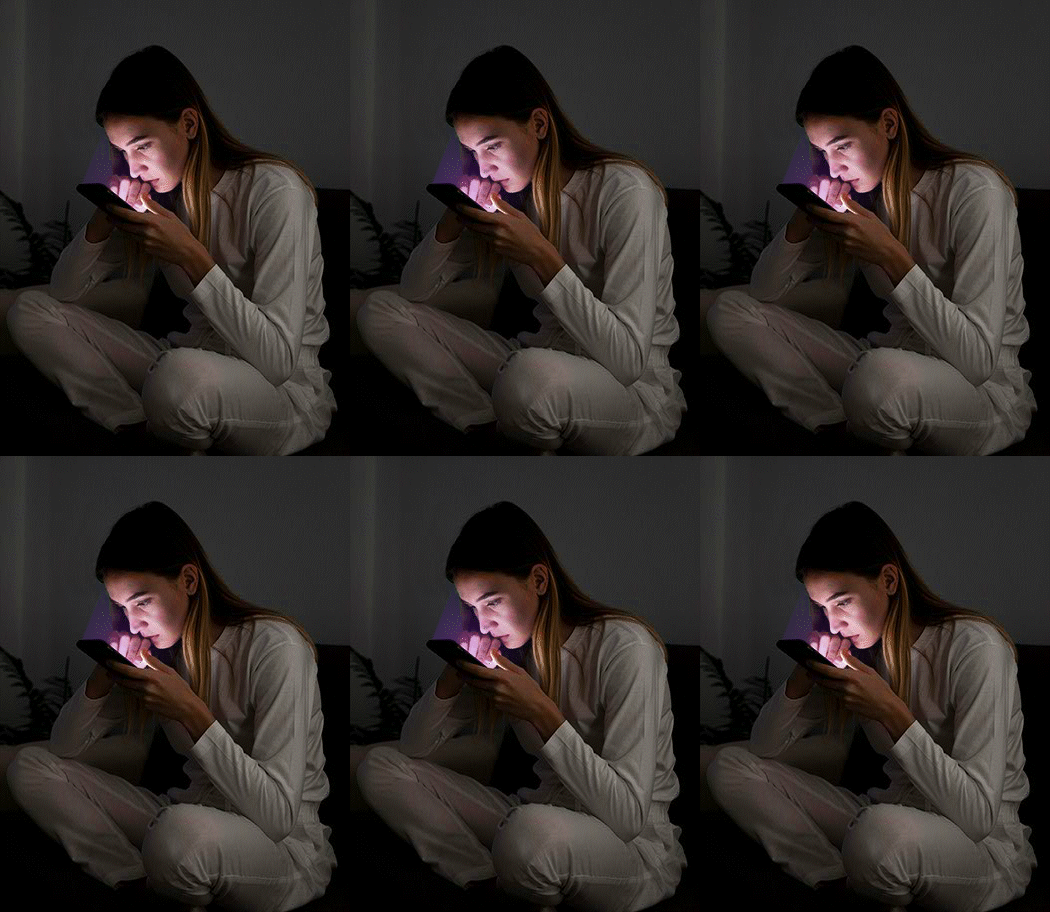
Did you know the average adult spends a staggering 7 hours and 4 minutes daily on screens approximately 3,390,000,000,000,000,000,000 photons per minute in the blue light spectrum at a wavelength of 450 nm (assuming that 25% of the light emitted by a smartphone is blue light) This mind-numbing statistic underscores a modern reality: we are always bathed in the glow of our digital devices. But did you ever think what this long exposure to artificial light must be doing to your skin?
The culprit is blue light, which belongs to the high-energy visible light that lingers between 400 to 500 nanometers. While the sun is our main source of blue light, it's because of our overutilized digital screens. As many of us now spend our lives peering at smartphones, tablets, and computers, researchers have turned their attention toward investigating possible long-term effects this digital glow might have on our skin health.
Blue light sits next to ultraviolet (UV) light on the electromagnetic spectrum, having the shortest wavelength and highest energy in the visible light range. This high energy allows blue light to penetrate the skin deeper than UVA and UVB rays, which can be damaging to both the dermis and epidermis.
While blue light has its benefits for our bodies regulating our circadian rhythm, and enhancing mood and cognitive function overexposure, especially through artificial sources, might result in unexpected effects on our skin.
Recent scientific studies have shown how blue light interacts with our skin cells.
1. Oxidative Stress:
Exposure to blue light can induce the production of reactive oxygen species in the skin. These free radicals can cause structural damage to the cells, such as DNA, proteins, and lipids.
2. Disruption of Circadian Rhythms:
It has been demonstrated that blue light can disturb the circadian rhythm of the skin, which could impair the regenerative and reparative processes taking place during the night in this organ.
3. Hyperpigmentation:
Blue light can also stimulate melanocytes to get more pigmented. This is aggravated in more pigmented skin types, particularly Fitzpatrick types III and above.
4. Collagen Breakdown:
The wavelength of blue light can trigger enzymes to degrade two major proteins responsible for skin tightness and elasticity collagen and elastin. This degradation may fasten the process of skin ageing, accompanied by wrinkling and line formation.
What are the visible effects on the skin?
The combined effect of all these cellular changes can become visible in several ways:
1. Premature Aging:
Possible degradation of collagen and elastin, with oxidative stress, may lead to early fine lines, wrinkles, and lax skin. Perhaps you won't be able to see these effects soon but remember, blue light accelerates the process of skin aging. (1)
2. Hyperpigmentation:
Increased production of melanin may cause dark spots and uneven skin tone. (2)
3. Inflammation:
Blue light can also trigger inflammatory reactions in the skin, leading to redness and discomfort. (3)
Considering that more research is needed to define the effects of blue light on skin health, there are a few precautionary steps that may be considered:
1. Sunscreens with Broad-Spectrum Coverage:
There are sunscreens available with the ability to protect against blue light. However, during the nighttime, wearing sunscreen itself is questionable. So, during the daytime, this can be the option to opt for.
2. Anti-oxidants :
Blue light can penetrate and trigger oxidative stress on the screen. Anti-oxidants, in the form of topical or oral supplements, can help to neutralise any free radicals that are generated as a result of light exposure. Include colourful veggies and fruits in your diet to get the antioxidant dose.
3. Modify Your Devices:
This is the easiest approach. You might think about using blue light filters for digital devices, especially in the evening.
4. Screen Time:
If made possible then this is the best way to reduce the blue light exposure completely. However, screen time includes not only scrolling through a smartphone but also watching TV. Decrease your screen time altogether and take breaks from the screen regularly.
Paradoxically, although high exposure to blue light can have a damaging effect, controlled application has shown promise in treatment related to some skin diseases.
Acne: It is believed that blue light can help by reducing inflammation and killing acne-causing bacteria. (4)
Psoriasis: There is a belief supported by a few studies that blue light can help in reducing symptoms related to psoriasis. (5)
Atopic Dermatitis: Blue light therapy has been found to show potential in reducing the severity of atopic dermatitis symptoms. (6)
These medical applications highlight the relationship between blue light and skin health, emphasising the importance of controlled and intentional exposure.
Conclusion:
In a more digital world every day, the knowledge about the effects of blue light on our skin becomes more important. Future studies are needed to give a more comprehensive elucidation of the long-term impacts of chronic blue light exposure, but existing evidence hints at the need to be proactive in looking for ways to protect our skin.
Mindful screen time, including blue light protection in our daily skincare routines, allows us to enjoy all the best benefits of this digital world perhaps even concerning our skin health and appearance. As research on blue light continues to advance, keep your approach to skincare in the digital age flexible.
References:
Kumari, J., Das, K., Babaei, M., Rokni, G. R., & Goldust, M. (2023). The impact of blue light and digital screens on the skin. Journal of Cosmetic Dermatology, 22(4), 1185–1190. https://doi.org/10.1111/jocd.15576
Suitthimeathegorn O, Yang C, Ma Y, Liu W. Direct and Indirect Effects of Blue Light Exposure on Skin: A Review of Published Literature. Skin Pharmacology and Physiology, 2022 Aug 31. https://doi.org/10.1159/000526720
Filipović M, Pecarski D, Marinović D, Rodić B, Lukić M. The influence of blue light from natural and artificial sources on the skin. Zdravstvena Zastita, 2023 Jan 1;52(2):88–99. https://doi.org/10.5937/zdravzast52-44523
Cotter EJ, Cotter LM, Riley CN, Dixon J, VanDerwerker N, Ufot AI, et al. Antimicrobial effects of blue light therapy against cutibacterium acnes: optimal dosing and impact of serial treatments. JSES International, 2024 Mar 1;8(2):328–34. https://doi.org/10.1016/j.jseint.2023.11.020
Kleinpenning MM, Otero ME, Van Erp PEJ, Gerritsen MJP, Van De Kerkhof PCM. Efficacy of blue light vs. red light in the treatment of psoriasis: a double‐blind, randomized comparative study. Journal of the European Academy of Dermatology and Venereology , 2011 Mar 24;26(2):219–25. https://doi.org/10.1111/j.1468-3083.2011.04039.x
