
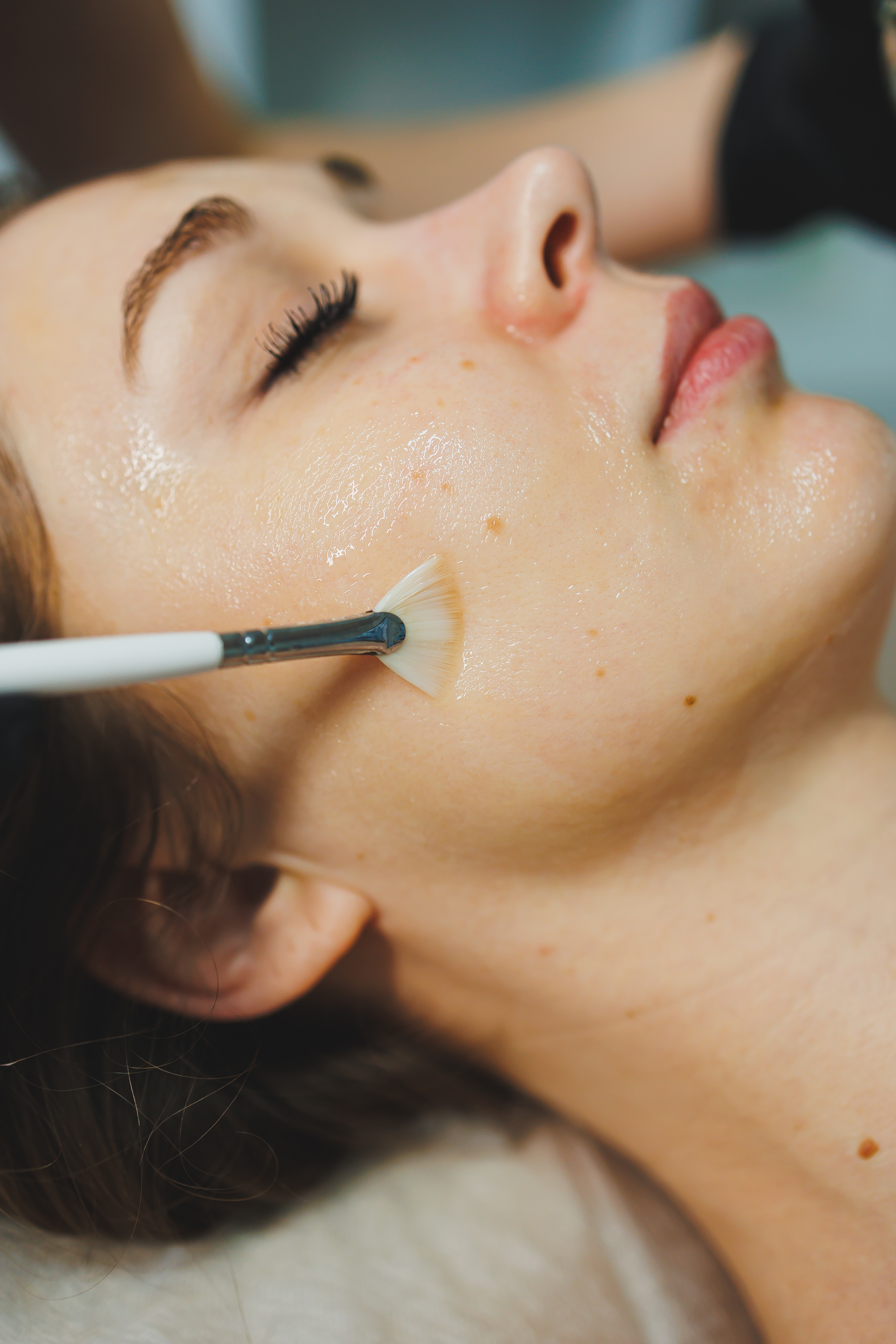
A retinol peel is a powerful treatment that helps fade dark patches (melasma) on the skin. It works well for all skin types, including darker skin tones. The peel works by helping skin cells renew faster and reaching deep into the skin layers where melasma forms. This makes it especially good at treating stubborn dark spots that other treatments might not reach.
Ingredients Matter! – Scan, analyze, and understand skincare ingredients with Label Looker. Try it now!
The procedure, which typically takes 10-15 minutes, involves a carefully calculated application of a yellow-tinted cream-based peel. What makes this treatment particularly fascinating from a dermatological perspective is its dual-layer application technique.
The first layer is massaged into the skin to ensure optimal penetration and distribution of the active ingredients, while the second layer is applied without massage to create an occlusive effect. This two-layer method helps the treatment work better by letting the ingredients stay active on the skin longer.
The post-procedure process is characterized by a predictable sequence of events. During the first 48 hours, patients experience redness on skin (erythema) due to the controlled inflammation response that triggers the skin's natural healing mechanisms.
The subsequent peeling phase, which begins around day three, represents the acceleration of the skin's natural desquamation process. This controlled exfoliation particularly targets the areas with increased melanin deposition, which is crucial for melasma treatment.
One critical aspect that deserves emphasis is the importance of proper patient selection and pre-treatment preparation. The 15-day skin priming period using retinoids, benzoyl peroxide, or alpha-hydroxy acids (such as lactic or glycolic acid) serves to normalize the stratum corneum and ensure uniform penetration of the peel. This preparatory phase is essential for optimal results and minimizing potential complications.
The treatment protocol typically encompasses 3-4 sessions at monthly intervals, with an interesting phenomenon of decreased peeling intensity in subsequent sessions. This reduction in visible peeling doesn't indicate decreased efficacy but rather represents the skin's adaptive response to retinol and improved cellular turnover regulation.
Post-treatment care is crucial for maintaining results and preventing melasma recurrence. While moisturization is important, the role of sun protection cannot be overstated. A broad-spectrum sunscreen with high UVA protection is non-negotiable, as UVA rays particularly stimulate melanogenesis. Additionally, patients should be advised about potential trigger factors for melasma, such as hormonal fluctuations and certain medications.
The long-term success of retinol peels for melasma requires a comprehensive approach that combines in-clinic treatments with appropriate home care.
This includes continuing with maintenance treatments, adhering to a proper skincare routine, and making lifestyle modifications to prevent melanin stimulation.
The treatment's ability to address not only melasma but also fine lines and overall skin radiance makes it a versatile option for patients seeking multiple skin improvements simultaneously.
Safety considerations should be emphasized, particularly regarding the importance of having this treatment performed by qualified dermatologists who can properly assess skin types, determine appropriate peel concentrations, and manage any potential complications.
The procedure's success heavily depends on proper timing, technique, and post-care management, making professional oversight essential for optimal outcomes.
Join the Skincare Conversation! – Get advice, share experiences, and connect with experts in our Community. Join now!
Retinol peels represent a sophisticated approach to treating melasma when performed with proper medical oversight and patient compliance. The combination of professional treatment and diligent aftercare can lead to significant improvements in skin appearance and texture, making it a valuable option in the dermatological arsenal against melasma.
